Pain is not simply a signs and symptom. It is a vehicle driver of disability, a predictor of bad results, and a resource of profound human distress. Yet several medical professionals receive minimal formal education in contemporary discomfort scientific research and secure analgesic method. Over the past years, targeted discomfort administration training has actually progressed from a nice-to-have into a professional requirement throughout emergency situation departments, wards, primary care, rehab, and perioperative solutions. Whether you operate at the bedside, in theatre, or in the neighborhood, the ideal understanding pathway can sharpen decision-making, decrease harm, and offer clients a clearer path back to function.
This overview maps the training landscape with a useful curved. It covers short courses hurting monitoring, certification programs, and role-specific alternatives such as pain monitoring training courses for registered nurses and pain administration training courses for physiotherapists. It also discusses exactly how to evaluate programs offering a discomfort administration certificate or discomfort management certification and where PUAEme008 Provide Pain Monitoring fits within emergency and prehospital practice.
The core issue discomfort training must solve
Acute discomfort and persistent pain ask various inquiries of clinicians. Sharp pain usually requires fast analgesia, time-sensitive choices, and secure procedural choices. Persistent pain requires a change towards function, self-efficacy, and multidisciplinary care. Both cases can be jeopardized by the exact same risks: opioid overreliance, underuse of nonpharmacologic treatments, missed out on neuropathic pain, poor reassessment, and a failure to set sensible expectations.
Well-designed pain monitoring training courses remedy these mistakes by reinforcing numerous pillars.

- Assessment precision. Making use of confirmed tools, checking out red flags, and identifying nociceptive, neuropathic, nociplastic, and combined pain. Rational pharmacology. Recognizing when to utilize acetaminophen or NSAIDs, exactly how to structure multimodal programs, and where opioids fit with clear risk-mitigation strategies. Procedural abilities. From straightforward regional infiltration to ultrasound-guided nerve blocks in emergency discomfort management settings. Nonpharmacologic treatments. Early mobilization, graded exposure, CBT-informed communication, pacing strategies, and rest hygiene. Communication and assumptions. Clarifying mechanisms, straightening objectives with function, and challenging fear-avoidance without dismissing distress.
The best discomfort monitoring training programs do not educate a solitary method. They educate professional judgment under unpredictability and show how to adjust strategies to context.
Where PUAEme008 Give Discomfort Management fits
In several systems, especially within prehospital and emergency treatment in Australia, PUAEme008 Offer Pain Monitoring is an expertise that recognizes the functional capability needed to assess, deal with, and display pain in urgent settings. The unit concentrates on structured analysis, secure administration of analgesics according to range and protocols, and continuous analysis of response and negative effects. It is not a thorough persistent pain program. It is a focused, pragmatic standard that ensures clinicians can supply prompt alleviation during severe episodes without compromising safety.
When you see program summaries referencing puaeme008 supply pain administration, check that the program addresses:
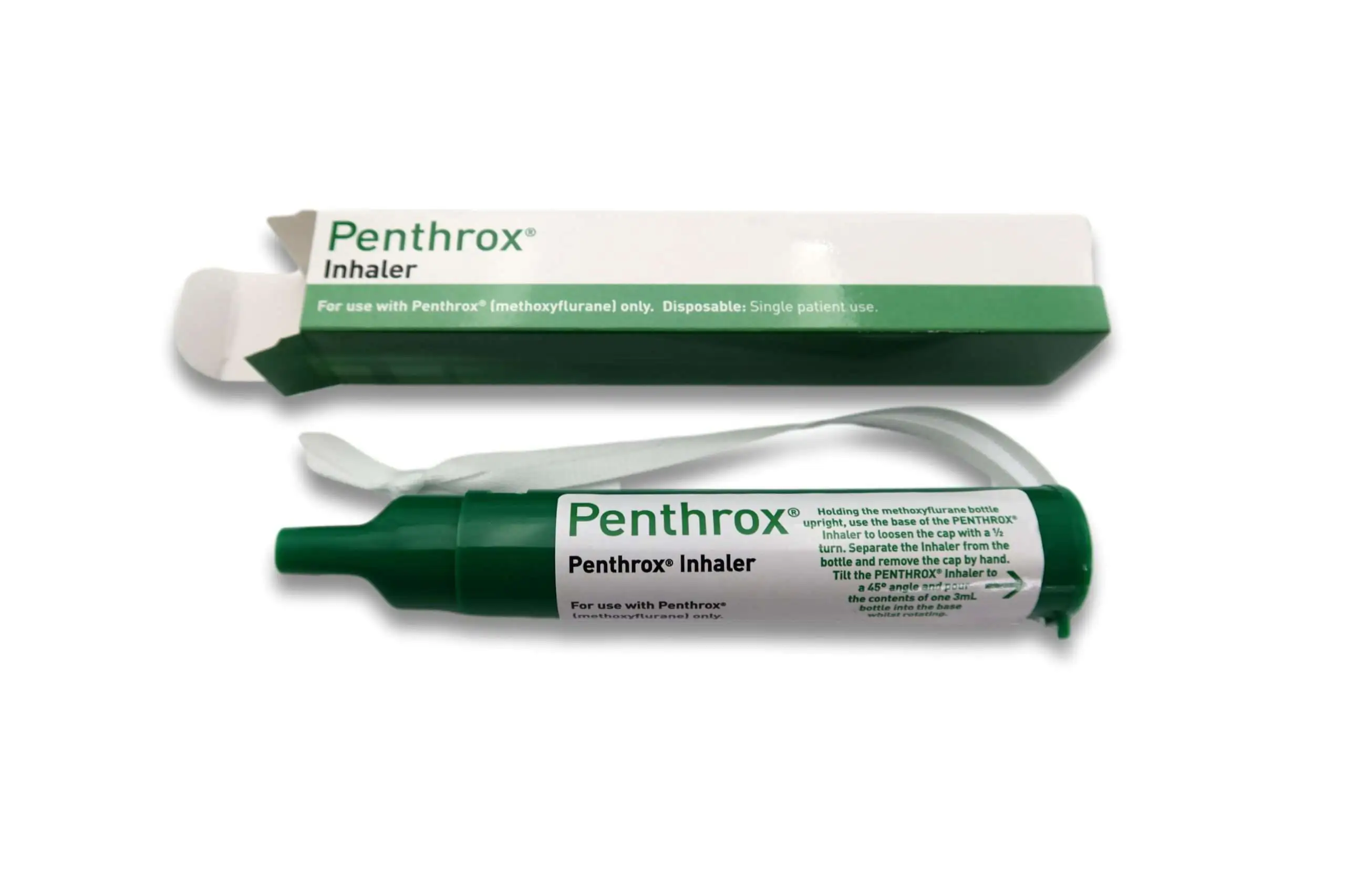
- Scene and person security prior to interventions. Use of confirmed pain ranges, including choices for nonverbal or cognitively impaired patients. Protocol-driven selections like methoxyflurane, intranasal fentanyl, ketamine for analgesia, or regional methods where extent allows. Monitoring, paperwork, and acceleration thresholds. Special populaces such as older adults, pregnant people, and those with material use disorder.
For groups that take care of trauma, burns, fractures, or severe stomach discomfort, a program bearing PUAEme008 or lined up web content can elevate the flooring on acute treatment standards.
The range of discomfort administration training
The expression discomfort administration program covers a broad variety. Understanding the tiers helps you match your duty, time, and learning purposes with the best option.
Short training courses in pain administration. These commonly run for a day to a couple of weeks, face to face or online. They target specific skills: intense analgesia procedures, musculoskeletal pain analysis, neuropathic pain distinction, interaction for chronic pain, or opioid stewardship. They suit clinicians looking for quickly, relevant updates, and they can be an accessible way to freshen present method without a major time commitment.
Certificate program in pain administration. A discomfort monitoring certificate training course normally demands a number of weeks to a couple of months, consists of assessments, and might consist of case-based tasks. Completion yields a pain monitoring certificate that indicates structured understanding yet not a full professional accreditation. Excellent programs blend theory with method, provide monitored situations or simulations, and analyze decision-making in reasonable contexts. If your goal is to upskill and reveal a credential for your profile or medical professional credentialing, this level can be ideal.
Pain management accreditation training course. Some jurisdictions and professional universities supply formal discomfort monitoring accreditation, frequently requiring a much longer curriculum, proctored tests, and professional hours. This path suits clinicians that intend to specialize or lead solution renovations. The expression pain administration qualification can be made use of loosely by some companies, so confirm the issuing body, acknowledgment in your nation, and any kind of proceeding education and learning requirements.
Role-specific training. Pain management training for nurses need to cover bedside analysis, titration, nonpharmacologic methods, opioid safety and security on wards, discharge teaching, and acceleration methods. Discomfort monitoring training courses for physio therapists ought to emphasize rated activity, filling strategies, discomfort neuroscience education, practical pacing, and return-to-function preparation, while integrating with medical management. Pharmacologists, psychologists, physical therapists, and social workers each have actually training courses customized to their payments within multidisciplinary care.
Emergency-focused programs. Emergency discomfort monitoring puts a costs on speed, protocol adherence, and safety. Expect airway-aware sedation, intranasal analgesia, nitrous or methoxyflurane use where applicable, ketamine analgesia dosing, and nerve obstruct fundamentals. Programs based in PUAEme008-style proficiencies reinforce these abilities with simulation and monitoring drills.
How to review a discomfort administration training course before you enroll
Several attributes separate purposeful education and learning from box-ticking. Before you devote, look beyond the brochure and ask pointed questions.
Curriculum deepness and balance. Does the training course incorporate pain neuroscience, pharmacology, step-by-step skills, and interaction strategies? Overemphasis on any single device, especially opioids, is a warning. A reputable pain administration training program will thread nonpharmacologic and practical strategies throughout.
Scope and recognition. For a certificate training course suffering administration, validate requirements, size, and whether the credential is recognized by your employer, regulatory authority, or professional body. For a discomfort management qualification course, verify accrediting bodies and whether it counts towards profession innovation or scope expansions.
Teaching methods. Pure lecture formats are simpler to supply but hardly ever modification method. Look for instance discussions, simulation, role-play for challenging conversations, and assessment jobs that need you to synthesize plans under time pressure. Programs that advertise puaeme008 give pain management need to include scenario-based drills.
Assessment and feedback. Good training does not end at attendance. You need to receive certain comments on your scientific thinking, procedural technique, charting, and person interaction. Without feedback, efficiency does not improve.
Faculty and mentoring. Teachers with bedside reputation make all the distinction. Inspect bios. Do they run pain solutions, method in ED or ICU, or lead recovery programs? Do they share cases, mistakes, and practical decision trees as opposed to stating guidelines verbatim?
Follow-up and support. Pain care evolves. Search for post-course updates, optional case testimonials, or alumni discussion forums. You want a neighborhood you can quiz regarding unusual presentations or policy shifts.
The components every clinician need to master, regardless of discipline
Effective assessment. Beginning with function. Can the client sit up, cough, bear weight, or sleep more than two hours at a stretch? Numerical ranges matter, however useful metrics connect directly to care plans. For those that struggle to self-report, use tools like the Behavior Discomfort Scale or CPOT and triangulate with professional findings.
Clear differentiation. Mechanical low pain in the back requires a various approach than lumbar radiculopathy or central sensitization. Intense gout pain, complicated local discomfort syndrome, and diabetic person neuropathy each have patterns that reveal themselves with targeted background and exam. A brief discomfort monitoring course that drills pattern recognition can conserve months of trial-and-error.
Multimodal pharmacology. Acetaminophen and NSAIDs still carry the day for lots of conditions when dosed appropriately and set up instead of sporadic. For neuropathic pain, first-line representatives often consist of gabapentin or pregabalin, SNRIs, or TCAs, keeping an eye on sedation, drops danger, and anticholinergic problem. Opioids have a role in intense severe pain and pick persistent cancer-related cases, however the strategy ought to predefine duration, objectives, and deprescribing steps.
Regional anesthesia alternatives. In emergency discomfort monitoring and perioperative transitions, simple nerve obstructs transform care. A fascia iliaca block for a hip fracture can lower delirium danger, make it possible for positioning for back anesthetic, and cut opioid exposure. Great programs teach signs, surface area landmarks, and, when readily available, ultrasound fundamentals plus local anesthetic safety.
Nonpharmacologic care as top-notch therapy. Physio therapists, OTs, psychologists, and registered nurses bring strategies that medicines can not replicate: rated exposure to been afraid activities, sleep loan consolidation methods, pacing and energy preservation, cognitive reframing, and breath work for autonomic silencing. The greatest proof for chronic low back pain enhancement sits in this world, specifically when clients get constant messages from a combined team.
Risk administration. Display for opioid abuse risk with confirmed devices, but do not reduce care to a score. Think about renal function when picking NSAIDs, QT period when choosing methadone or TCAs, and breathing comorbidities with sedating agents. For older grownups, anticipate drops risk and ecstasy. Training courses that cover danger stratification with practical dosing tables and tapering strategies will certainly transform your method on day one.
What pain administration training appears like for nurses
Nurses typically stand between a patient's worst hour and their initial alleviation. They titrate analgesia, notification subtle modifications, and coach clients via wheelchair and breath. Discomfort monitoring training for registered nurses ought to reflect that frontline reality.
Strong programs teach systematic reassessment: not just Is your discomfort much better, but Did you climb out of bed or take care of to clean? They cover risk-free PCA usage and troubleshooting, recognition of oversedation, and making use of capnography where indicated. They highlight nonpharmacologic techniques that can be deployed rapidly at bedside: heat or chilly therapy, positioning, splinting, taking a breath exercises, and disturbance approaches tailored to age and cognition.
Discharge education is another core. Individuals leaving health center often misinterpret opioid guidelines, bring about either abrupt discontinuation with rebound discomfort or extended usage. Programs need to give teach-back manuscripts, secure storage space guidance, and clear suggestions on when to seek help. For nurses transitioning right into sophisticated practice duties, a discomfort administration certification can confirm the extra pharmacology and prescribing understanding needed by the increased scope.
What pain monitoring training appears like for physiotherapists
For physio therapists, discomfort is never ever just a number. It is a barrier to filling tissues, retraining patterns, and rebuilding capacity. Pain management courses for physio therapists ought to equip medical professionals with 2 corresponding skill sets.
First, pain neuroscience education provided in simple language. Clients profit when they recognize why pain does not constantly equivalent injury, exactly how sensitivity can amplify signals, and why rated exposure works. Second, functional packing progressions that respect impatience and construct resistance: tempo control, isometrics for responsive ligaments, variable range methods for shoulders, and rated weight-bearing for spine or hips.
Programs needs to likewise instruct cooperation with prescribers, particularly during very early rehabilitation when analgesia can make it possible for far better interaction. That consists of identifying when a neuropathic pain element is blocking progress and prompting a drug testimonial. One of the most useful courses share templates for setting goal, pacing strategies, and flare monitoring so clients can self-adjust without shedding momentum.
Designing your team's upskilling pathway
A solitary super star can not deal with a service riddled with inconsistent discomfort treatment. Groups enhance when they adopt usual frameworks and language. If you lead a service, consider layering training.
Start with a common brief program that constructs a standard: evaluation, multimodal essentials, nonpharmacologic methods, and risk management. Then pick role-specific modules. Nurses might complete a discomfort administration training for nurses bundle covering PCA, opioid safety and security, and severe delirium prevention. Physio therapists could pursue pain monitoring courses for physio therapists concentrated on rated direct exposure and return-to-work planning. If your service deals with intense trauma, integrate an emergency pain management module with simulation and nerve block practice. For prehospital or ED groups, map content to PUAEme008 Provide Discomfort Monitoring to systematize procedure adherence.
Finally, choose champions to carry out a longer pain management certificate training course or an acknowledged pain administration qualification training course. They can coach others, lead audits, and preserve protocols. Genuine adjustment takes place when new skills are enhanced at handovers, ward rounds, and multidisciplinary meetings.
What a high-value educational program consists of, with instances that stick
Cases make finding out remarkable. If a program asserts to give pain monitoring program web content that changes habits, seek situations like these.
A frail, opioid-naive older grown-up with a hip crack. The course must demonstrate how to incorporate acetaminophen, stay clear of NSAIDs if renal function is limited, go with a fascia iliaca block, and start low-dose short-acting opioid with snugly set specifications, plus ecstasy safeguards. Emphasis on very early mobilization and rest protection gains extra points.
A 32-year-old with sciatic nerve pain that can not rest for five minutes, frightened regarding a herniated disc. The pain management courses course needs to demonstrate just how to evaluate for warnings, explain nature, set NSAIDs with a brief steroid test if ideal, avoid long opioid prescriptions, and start a graded directional choice program with a clear flare plan.
A postoperative patient on a PCA that is still reporting severe pain. The curriculum should cover troubleshooting: checking device use, resolving stress and anxiety, adding scheduled nonopioids, taking into consideration local rescue, and reflecting on for compartment syndrome or other issues if the tale does not fit.
A patient with diabetic neuropathy whose burning feet wreck sleep. The program must detail tests of SNRIs or gabapentinoids with sleep health mentoring, foot treatment, and pacing for task, plus when to refer for refractory symptoms.
These scenarios require integration. They are the backbone of efficient discomfort administration training courses.
Measuring whether training worked
You can not boost what you do not measure. Prior to and after executing education and learning, choice metrics that matter.
- Time to initial analgesia and percentage of clients obtaining multimodal routines in severe care. PCA-related unfavorable events per 1,000 device days. Proportion of musculoskeletal people getting rated task plans within seven days. Opioid suggesting at discharge in morphine milligram equivalents, with target arrays and follow-up strategies documented. Patient-reported feature, such as the capacity to execute activities of everyday living or rest with the evening, rather than just numerical discomfort scores.
Courses that include audit devices and dashboards make it less complicated to sustain gains. If a supplier asserts to enhance end results, ask to see aggregated arise from previous cohorts.
Common mistakes and just how much better training avoids them
Fragmented messages. Patients hear inconsistent suggestions throughout disciplines. Training that aligns language and objectives avoids whiplash and improves adherence.
Overmedicalization of chronic discomfort. A slim focus on scans, procedures, or escalating medications usually intensifies impairment. Strong curricula center feature and self-management, booking invasive steps for carefully selected cases.
Opioid inertia. Either anxiety of prescribing wrongly or anxiety of deprescribing brings about bad outcomes. Education and learning should gear up medical professionals to start, proceed, or taper opioids with clearness, documenting objectives, timeframes, and alternatives.
Neglecting sleep, mood, and social context. Discomfort resides in a person, not a body part. Programs need to include quick behavior tools, reference paths, and strategies for dealing with socioeconomic barriers.
Underuse of local techniques. In many healthcare facilities, nerve blocks remain the domain of a few enthusiasts. Targeted training with easy procedures can scale access safely and cut opioid exposure service-wide.
Choosing between certifications and certifications
A pain management certification from a reputable service provider can be enough to lead top quality improvement locally, advisor coworkers, and rejuvenate technique. It comes, time bounded, and typically consists of sensible projects. A pain administration qualification, if acknowledged by your specialist body, can open up doors to sophisticated roles, consultant settings, or leadership in multidisciplinary centers. The compromise is time, cost, and a higher evaluation bar. Map the selection to your occupation perspective. If you intend to be the de facto discomfort resource for your team, a certificate program in pain monitoring paired with a concentrated emergency situation or regional component may suffice. If you intend to route a pain program, champ opioid stewardship plan, or run intricate case seminars, a formal certification course is worth the investment.
Building a lasting knowing habit
Courses stimulate adjustment. Habits keep it. After finishing a pain management course, schedule short persisting tasks that keep abilities alive.
- Journal club every month featuring one pain-relevant paper, plus a five-minute technique adjustment pitch. Quarterly simulation or abilities refreshers on nerve blocks, PCA troubleshooting, or communication with complex patients. Micro-audits each quarter on two metrics, offered at team gathers with a single agreed modification for the next cycle. Cross-discipline stalking days to recognize how colleagues structure and resolve pain troubles, then integrate messaging.
These small loopholes do greater than any kind of solitary training burst. They installed pain administration training into your solution identity.
Final ideas, with a practical bias
The finest pain education and learning meets clinicians where they are: bewildered by time stress, caring for people with twisted histories, and trying to prevent harm while relieving suffering. Whether you pick a brief abilities update, an organized pain monitoring certification course, or a longer pain administration accreditation course, judge the offering by its grip on reality. Does it equip you to act during an untidy graveyard shift, a strained family conference, or a delayed rehab strategy? Does it recognize source limitations while still aiming for much better function and fewer harms? If it does, it will pay off in less issues, more confident groups, and individuals that feel heard and helped.
For emergency and prehospital clinicians, straightening with PUAEme008 Give Discomfort Administration web content can systematize quick, secure analgesia. For nurses, a pain management courses for nurses collection of courses customized to bedside titration, nonpharmacologic strategies, and discharge mentor will have a prompt effect. For physiotherapists, programs that blend discomfort neuroscience with pragmatic loading strategies transform the trajectory of care. Across the board, look for pain monitoring training programs that incorporate pharmacology, procedures, and the psychology of pain right into a meaningful, gentle practice.
Credentials issue, but skills matters more. Select training that hones the last and lets the previous follow.